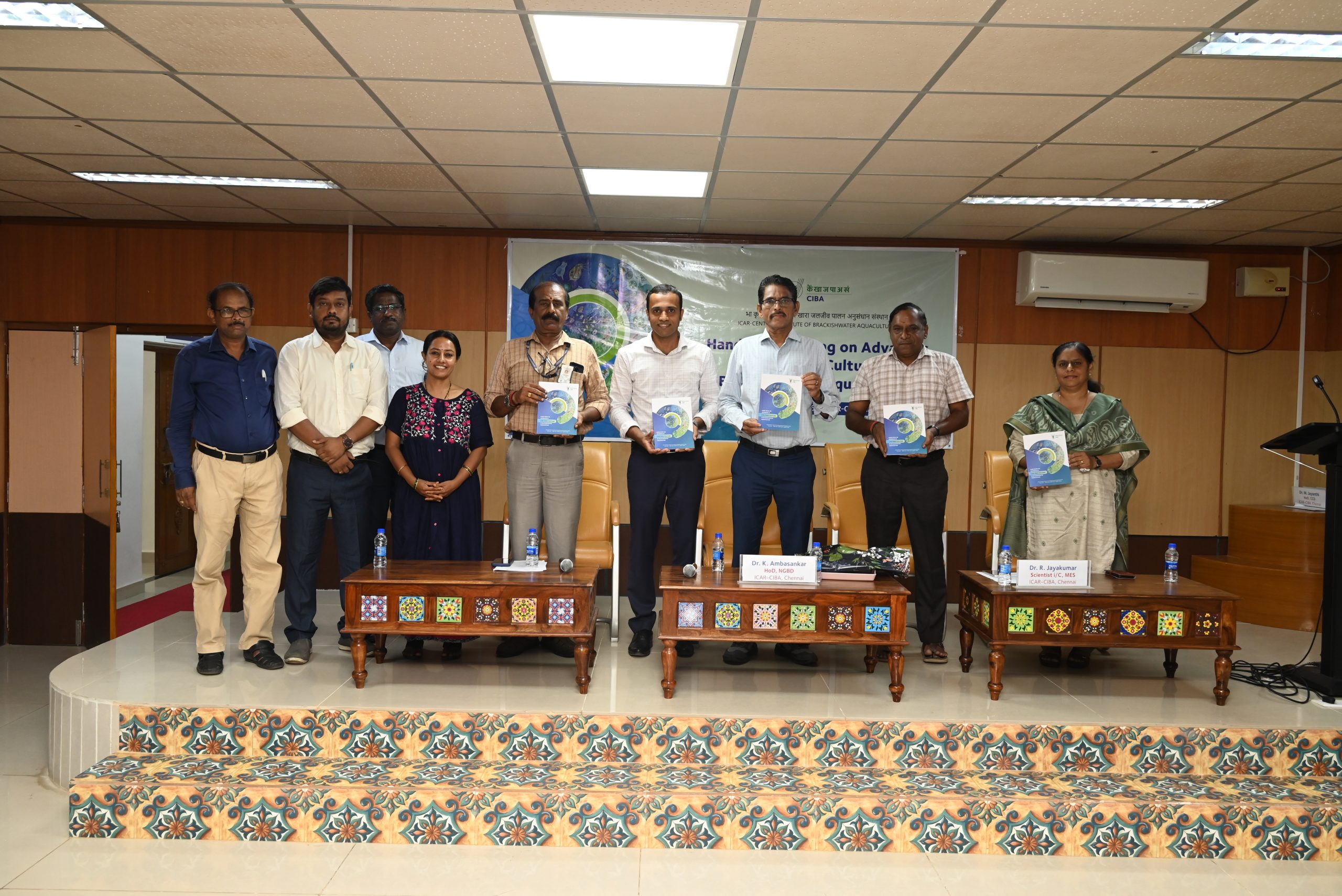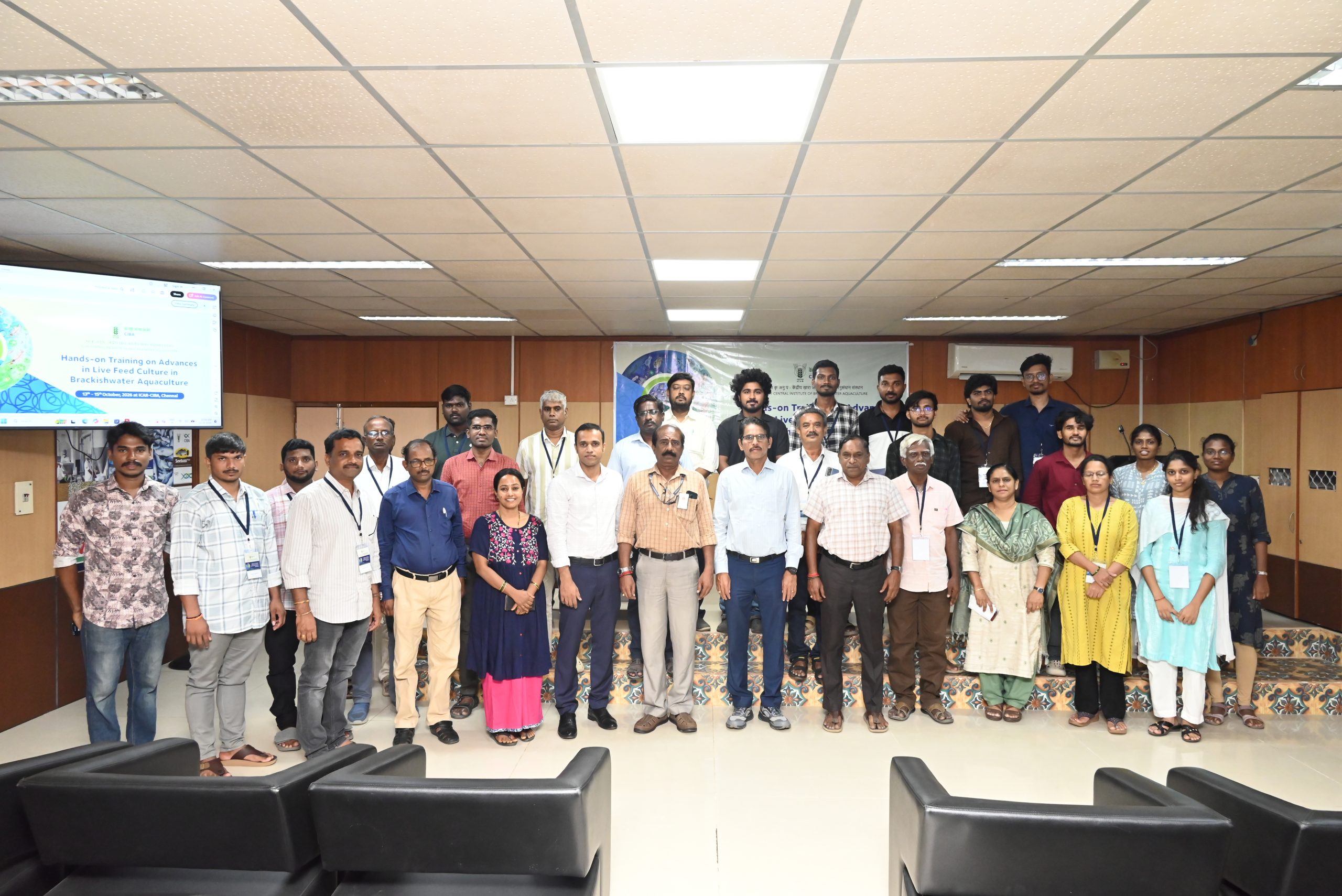
Live feeds play a crucial role in the successful larval rearing of finfish, shrimp and crabs, providing essential nutrients that support larval growth, survival and development. The availability of quality live feeds and the adoption of efficient production technologies are fundamental to improving hatchery performance, enhancing seed production and promoting sustainable aquaculture. The ICAR–Central Institute of Brackishwater Aquaculture (ICAR-CIBA), Chennai, successfully organized a three-day Hands-on Training on Advances in Live Feed Culture in Brackishwater Aquaculture from 13 to 15 October 2026 at its Muttukadu Experimental Station. The programme brought together 19 participants from diverse sectors of aquaculture, including shrimp farmers, hatchery technicians and owners, academicians, research scholars, scientists and start-up entrepreneurs.
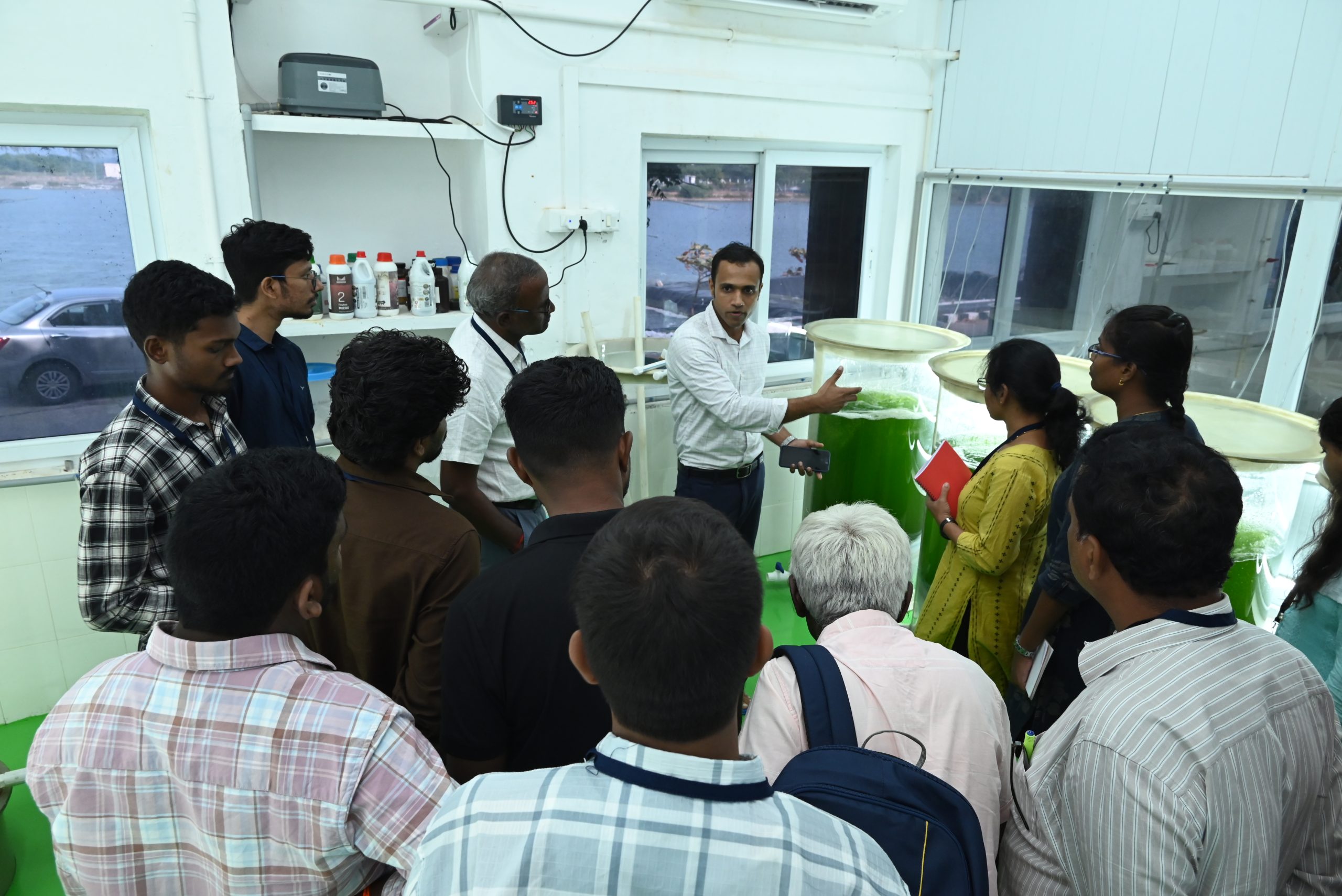
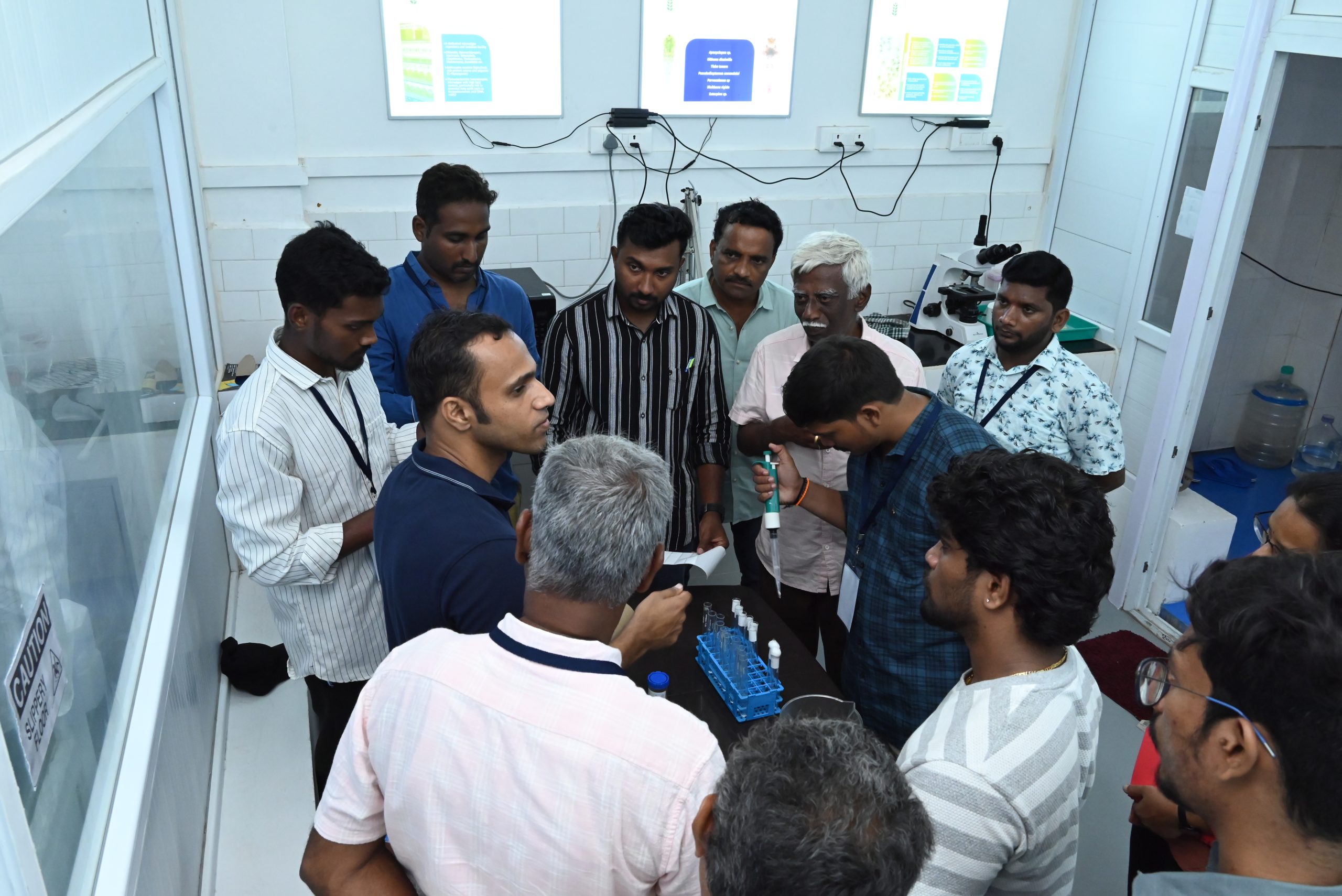
The training combined theoretical lectures with practical sessions on the isolation, purification, maintenance and mass production of live feeds, particularly microalgae, rotifers and copepods. Participants were also introduced to the culture and application of Artemia and polychaetes, live-feed enrichment techniques, and their role in fish, crab and shrimp larval nutrition. Emerging aquaculture practices, including copefloc-based shrimp farming and Super Intensive Precision Natural Shrimp Farming (SIPNSF), were also covered, providing participants with insights into innovative approaches to improving aquaculture productivity and sustainability.
Highlighting the importance of live feeds in aquaculture, Dr. M. Kailasam, Director, ICAR-CIBA, emphasized that live-feed production is one of the most critical components of aquaculture, particularly in hatchery operations. He noted that successful captive breeding and larval rearing of several fish species have been made possible through the development and effective application of appropriate live-feed production technologies.
Dr. Sandeep K.P., Senior Scientist, ICAR-CIBA, and Course Director, stressed the need to develop skilled manpower in live-feed culture and management to meet the growing requirements of aquaculture hatcheries. He highlighted that strengthening practical knowledge and technical expertise in live-feed production is essential for improving larval survival, enhancing seed production and increasing overall aquaculture productivity.
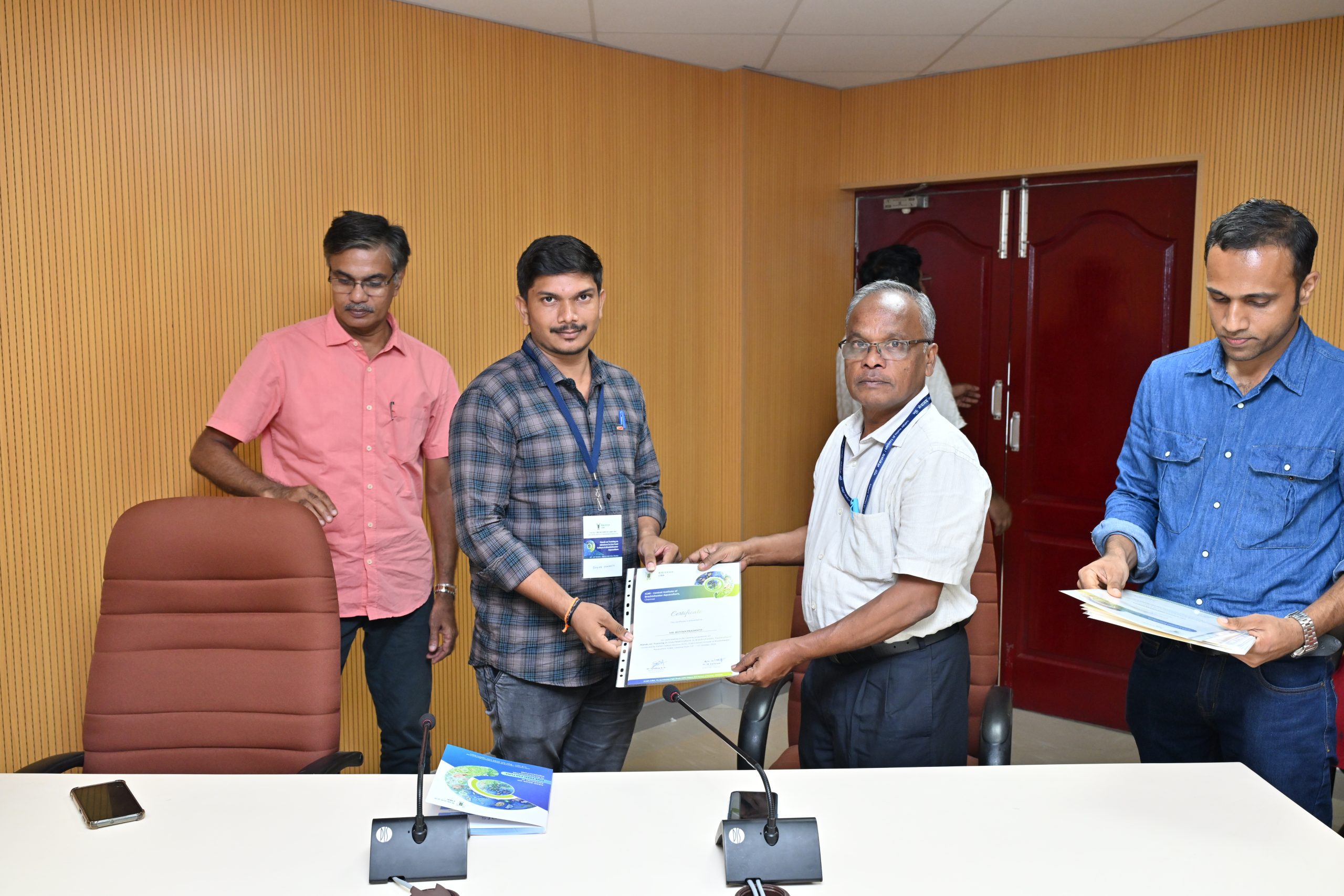
The training provided a valuable platform for knowledge exchange and hands-on skill development, enabling participants to gain practical exposure to live-feed production technologies and their applications in brackishwater aquaculture. The programme reaffirmed ICAR-CIBA’s commitment to capacity building, technology dissemination and the promotion of sustainable aquaculture practices.