ICAR-CIBA, Chennai, through its Institute Technology Management Unit (ITMU) and Agri-Business Incubation (ABI) Centre, organized a series of awareness and interaction programmes under KSHITIJ 2.0 – CIBA IDEATHON and Incubation Programme during August 2026 in Tamil Nadu, West Bengal and Gujarat. The programmes aimed to create awareness among students and young professionals on aquaculture technologies, innovation, entrepreneurship, incubation, technology transfer and commercialization.
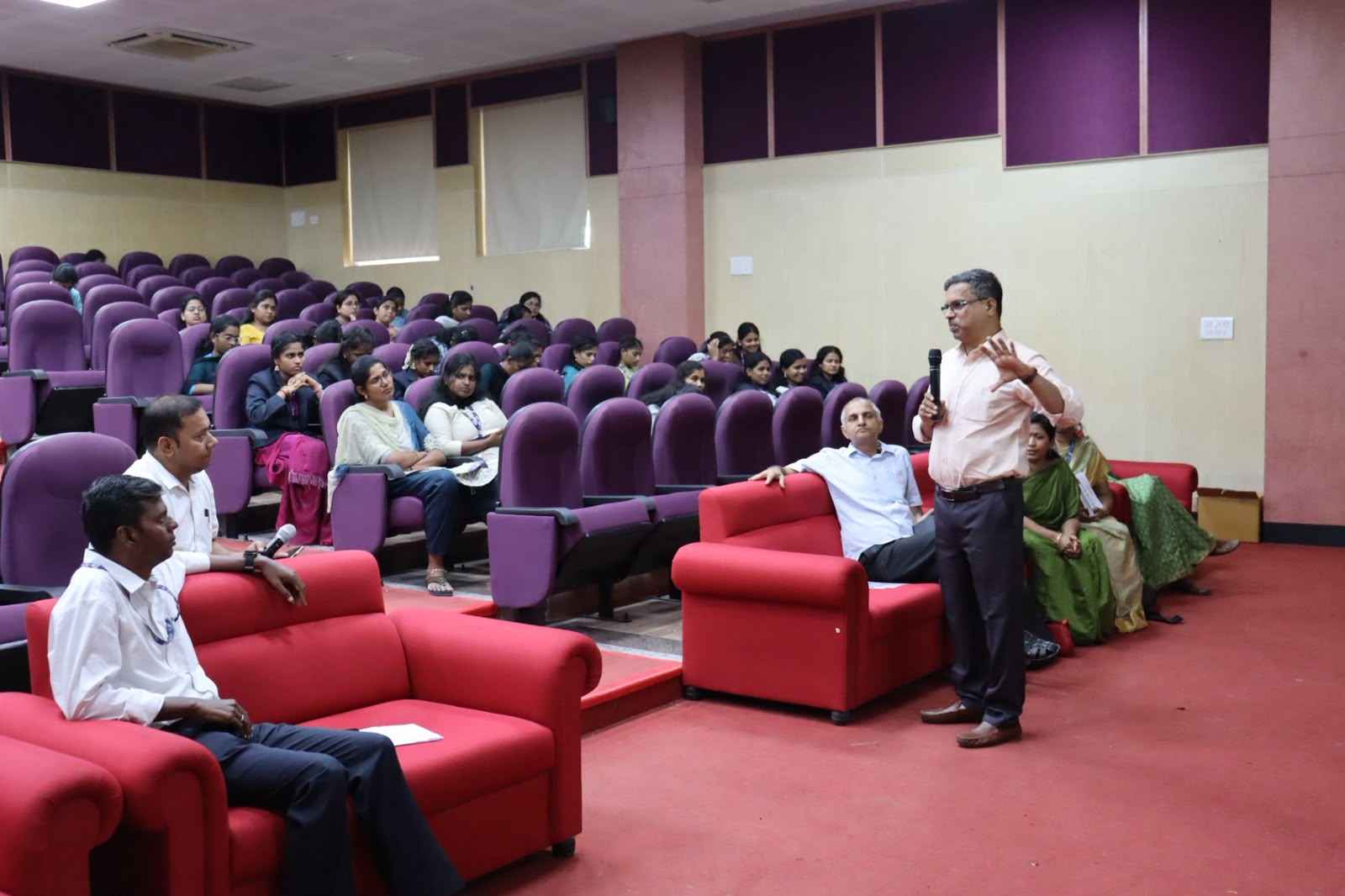
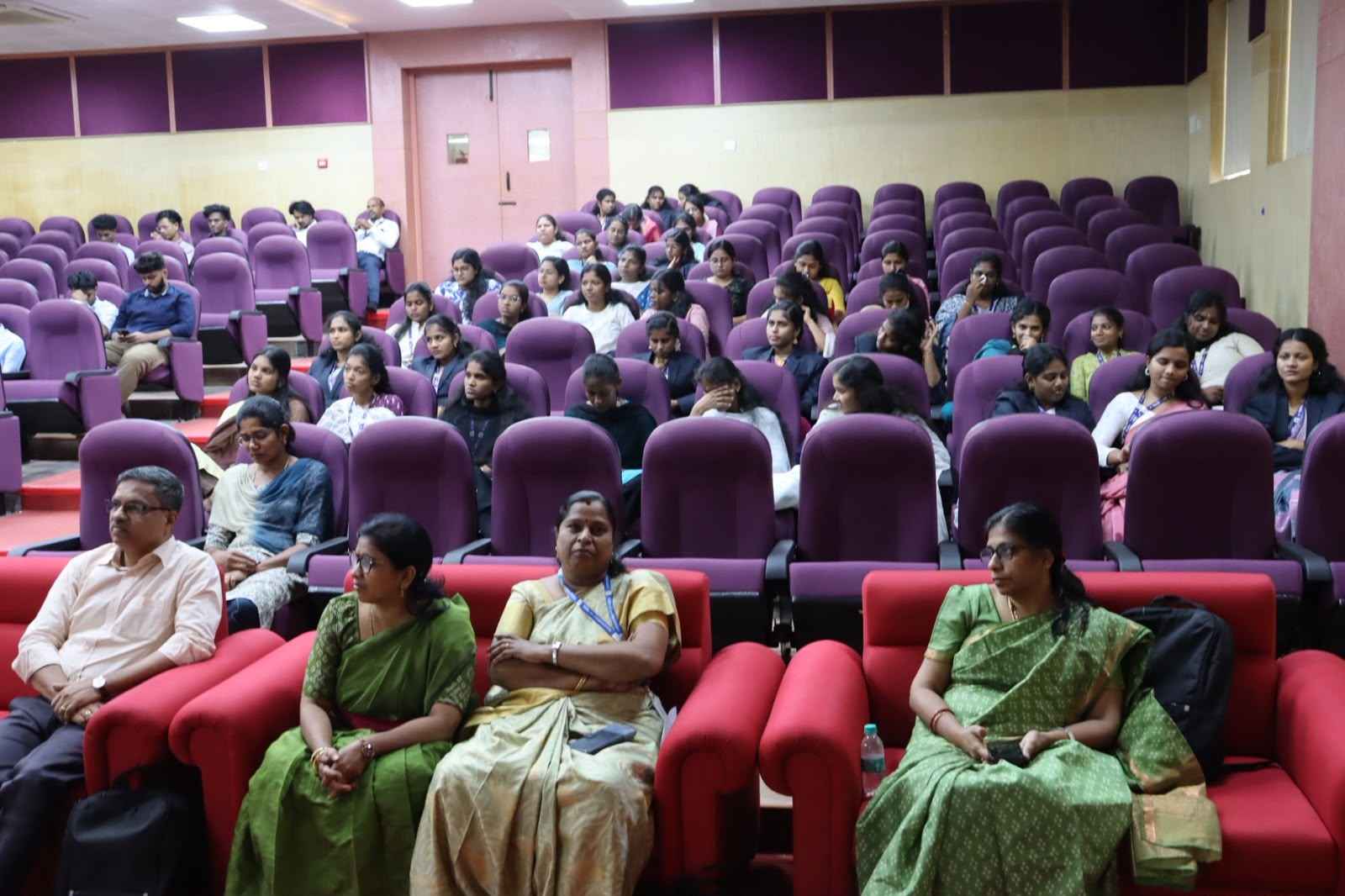
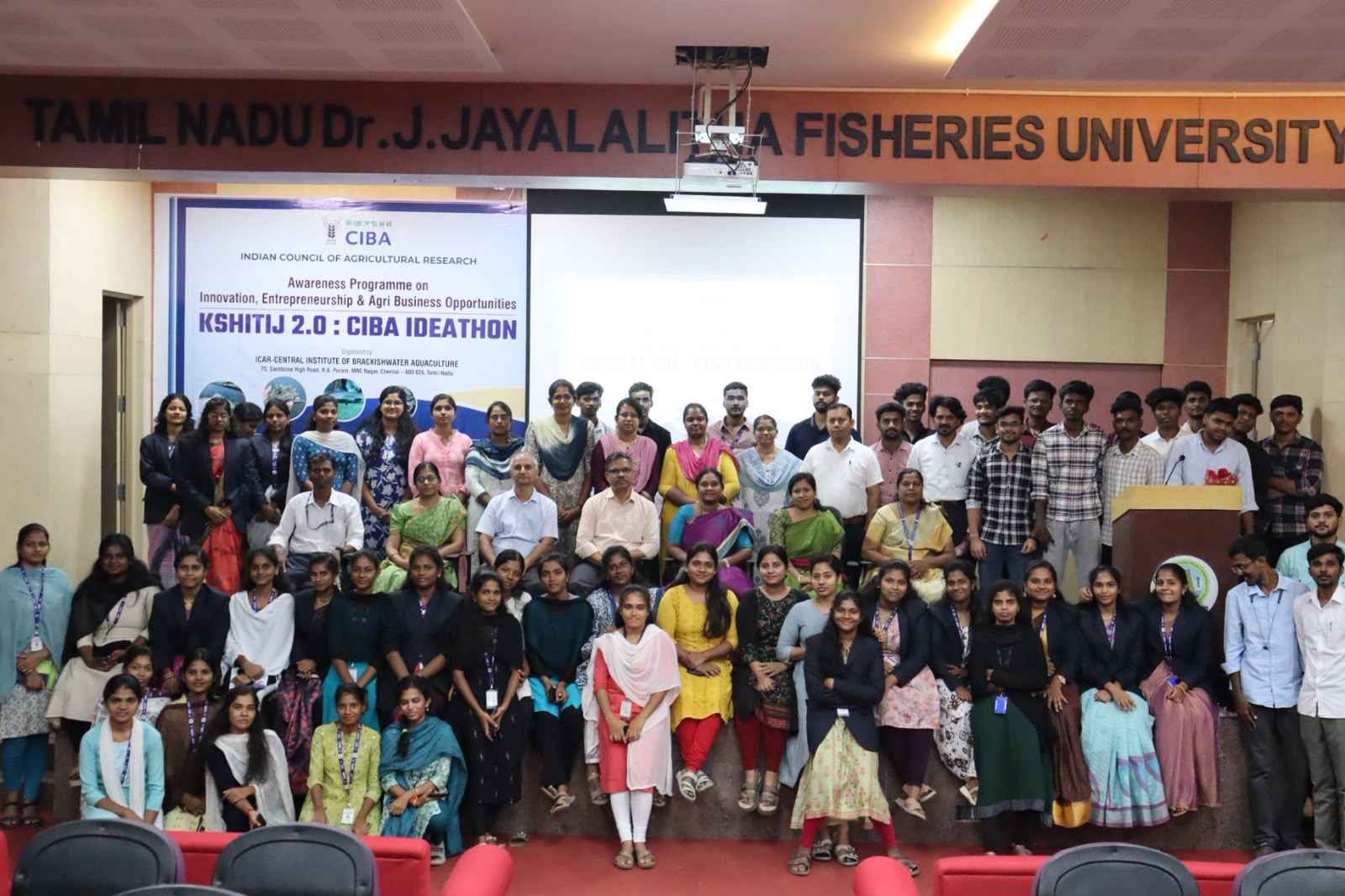
KSHITIJ Incubation Programme at the TNJFU Vaniyanchavadi Campus, Chennai on August 2026: The programme introduced students and faculty to emerging aquaculture technologies and entrepreneurial opportunities. Dr. A. Uma, Dean, Fisheries College, TNJFU, highlighted the importance of innovation and entrepreneurship. Dr. P. K. Patil discussed on agri-business opportunities, Dr. Sujeet Kumar presented key CIBA technologies, and Dr. R. Geetha explained the KSHITIJ Incubation Programme and support available for converting innovative ideas into start-ups. Around 70 students participated in the programme.
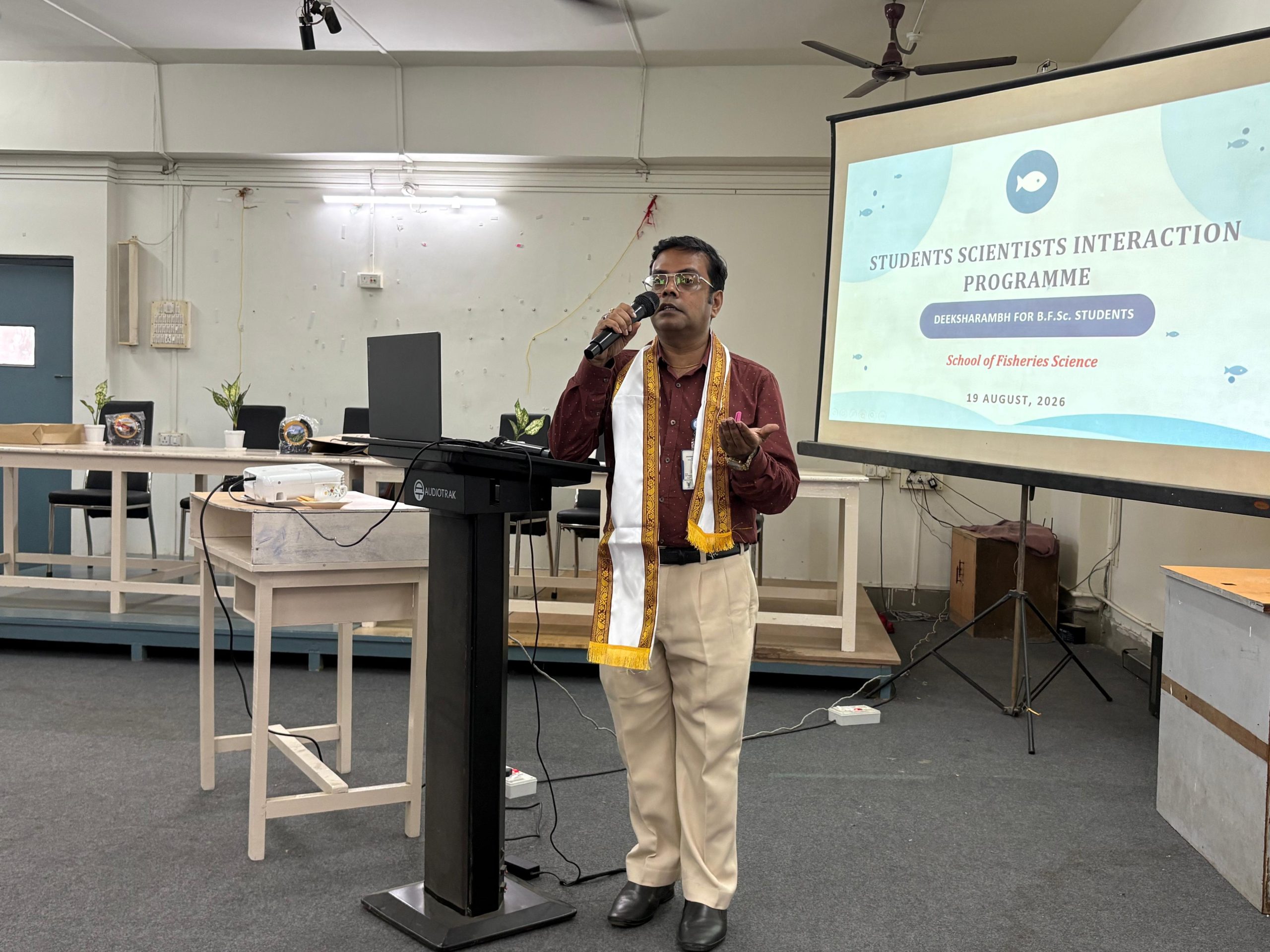
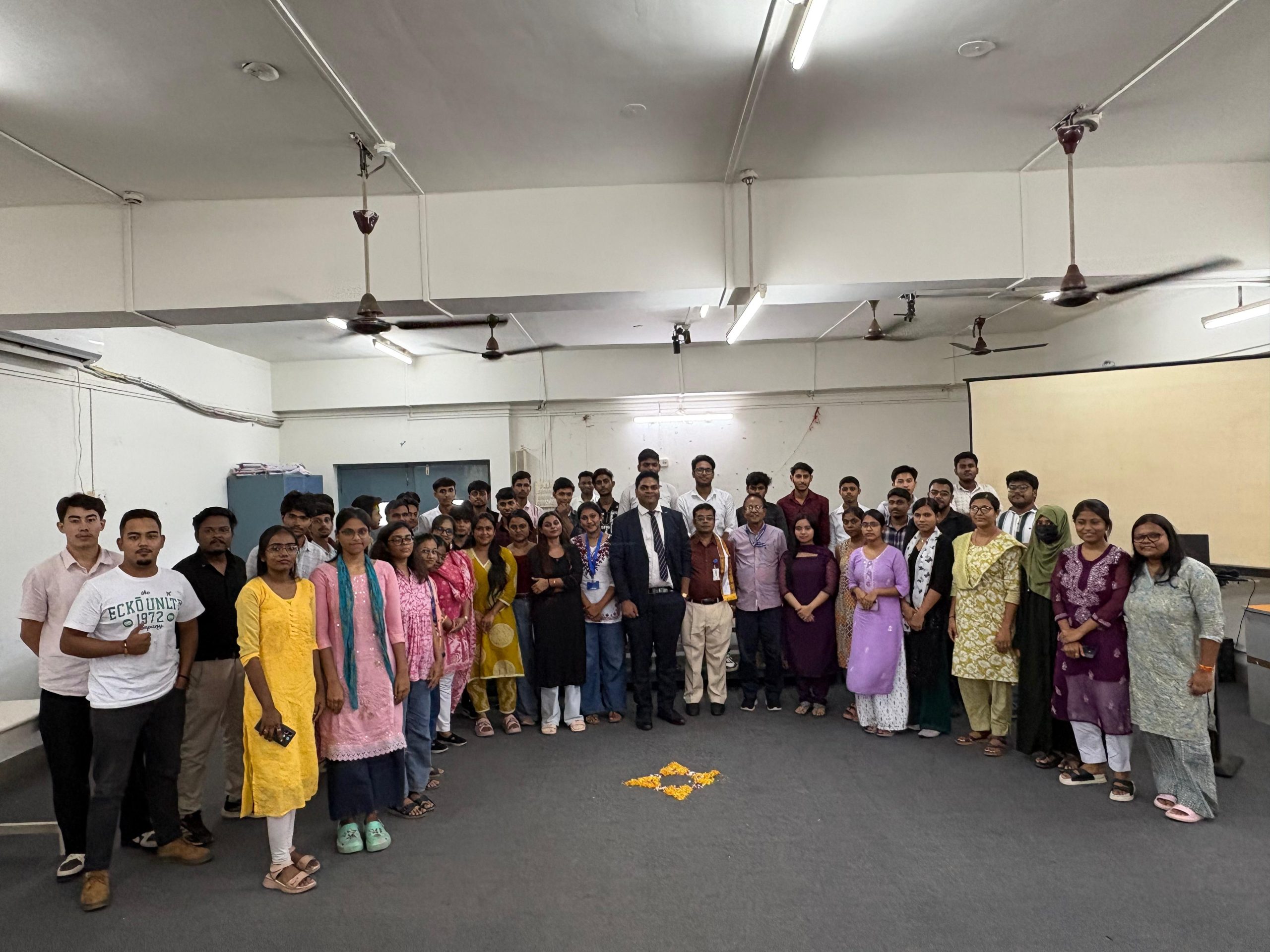
KSHITIJ Incubation Programme at the Neotia University, West Bengal on 19 August 2026: As part of the Deeksharambh programme for B.F.Sc. students, Dr. Sanjoy Das, Principal Scientist, Kakdwip Research Centre, ICAR-CIBA, highlighted CIBA technologies, career opportunities and entrepreneurship in fisheries and aquaculture. Around 60 students participated. Dr. A. K. Das, Dr. Neeraj Pathak, Dr. Suhas Mukherjee and faculty members also participated in the programme.
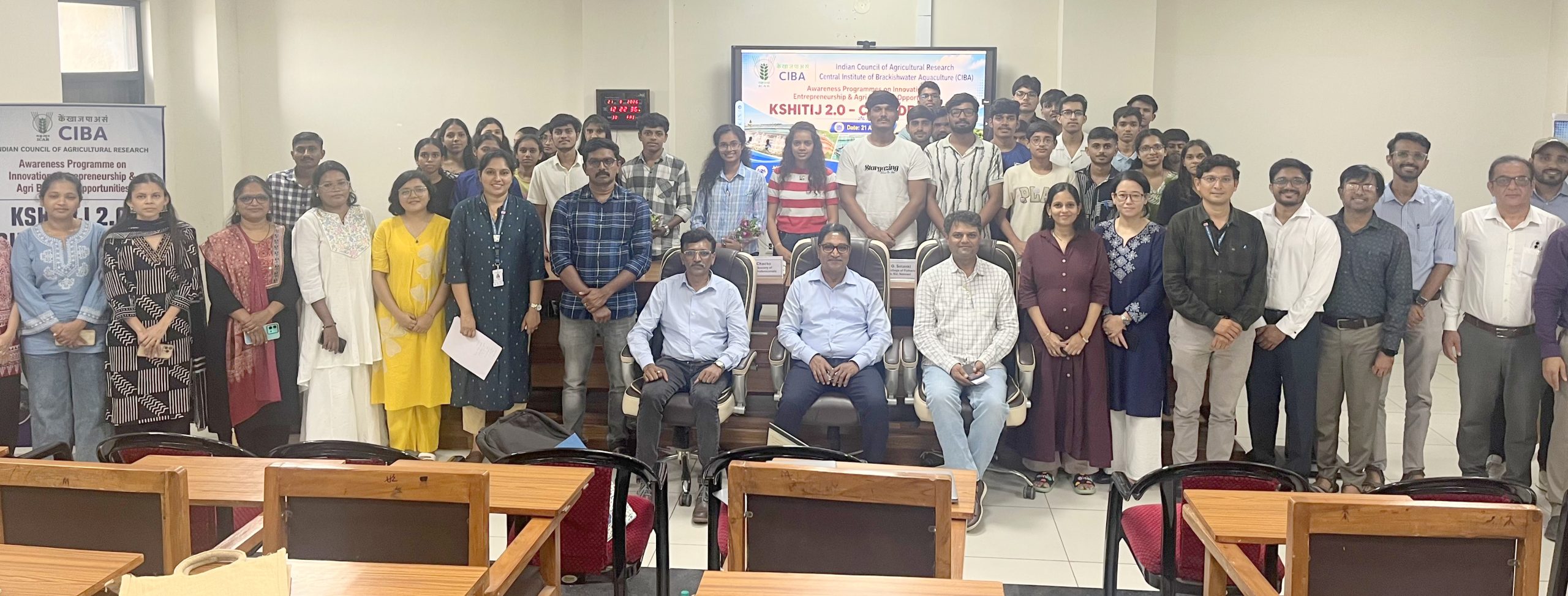
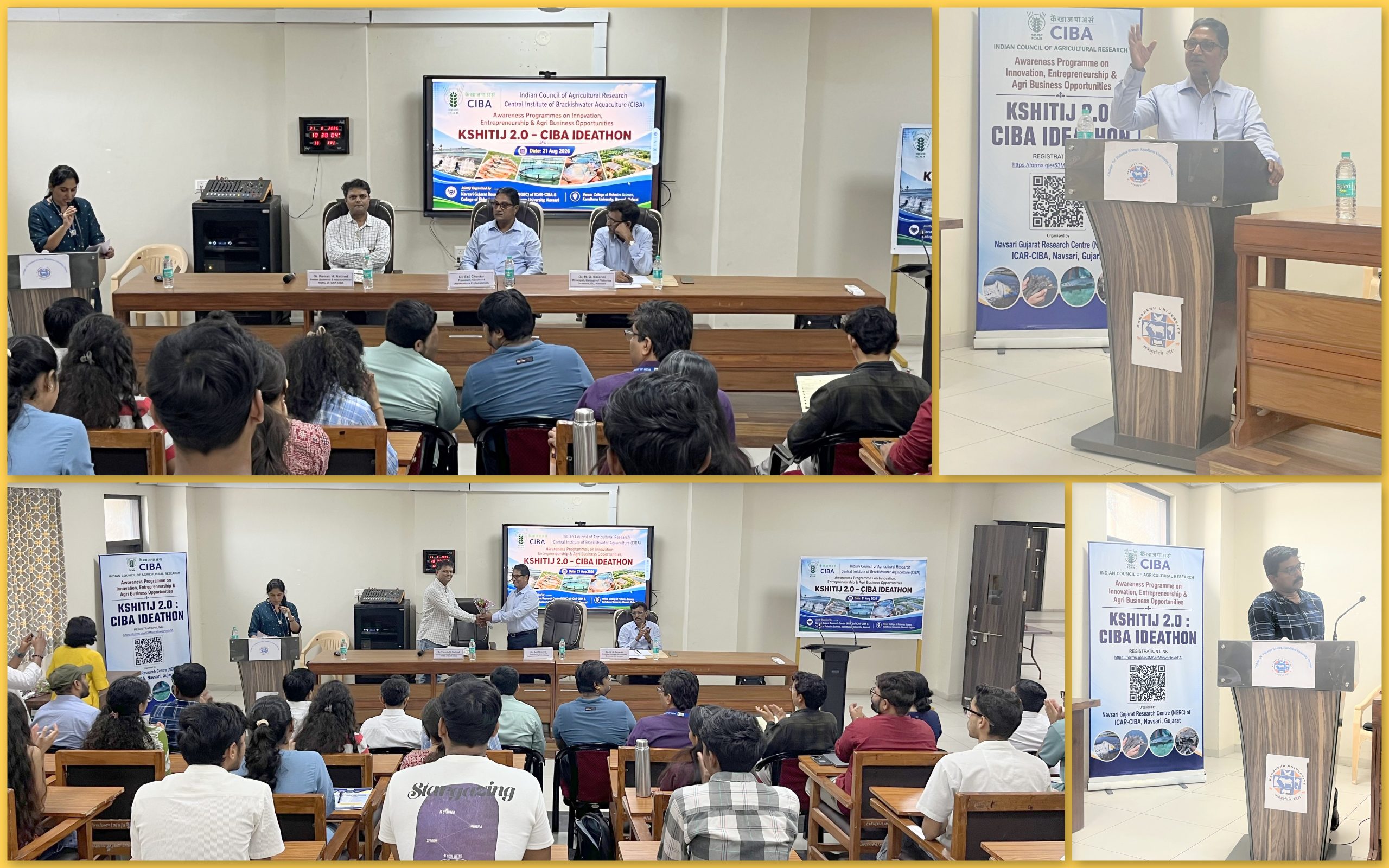
KSHITIJ Incubation Programme at the College of Fisheries Science, Kamdhenu University, Navsari on 21 August 2026: The Programme focused on brackishwater aquaculture technologies and agri-business opportunities. Dr. Paresh Rathod presented ICAR–CIBA technologies, Dr. H. G. Solanki emphasized start-up opportunities, and Dr. Saji Chacko highlighted agri-business and value-chain opportunities in brackishwater aquaculture. Around 50 participants, including students, young professionals, faculty and ICAR–CIBA personnel, participated.
The above programmes showcased ICAR–CIBA technologies and emerging engineering, digital and technology-based solutions while emphasizing innovation, entrepreneurship, incubation and commercialization. The interactions motivated participants to identify field-level challenges, develop practical and technology-driven solutions, and explore collaboration with ICAR–CIBA for mentoring, incubation, technology transfer and commercialization. Collectively, the initiative contributed to strengthening an innovation-driven, sustainable and entrepreneurial ecosystem in fisheries and aquaculture sector.