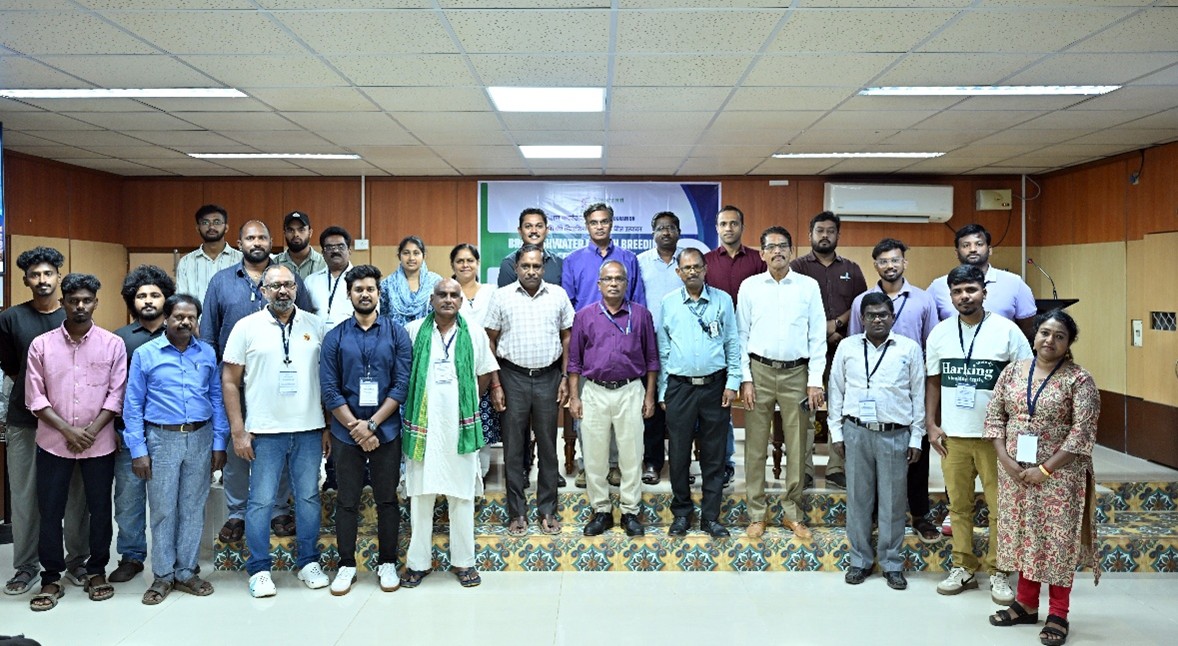
A five-day hand-on training programme on “Brackishwater Finfish Breeding and Seed Production” was conducted at the ICAR-Central Institute of Brackishwater Aquaculture (ICAR-CIBA), Chennai, during 17-21 August 2026. Fifteen participants from Andhra Pradesh, Tamil Nadu, Goa and Kerala, representing a diverse cross-section of entrepreneurs, fish farmers, hatchery technicians and academicians attended the skill development.
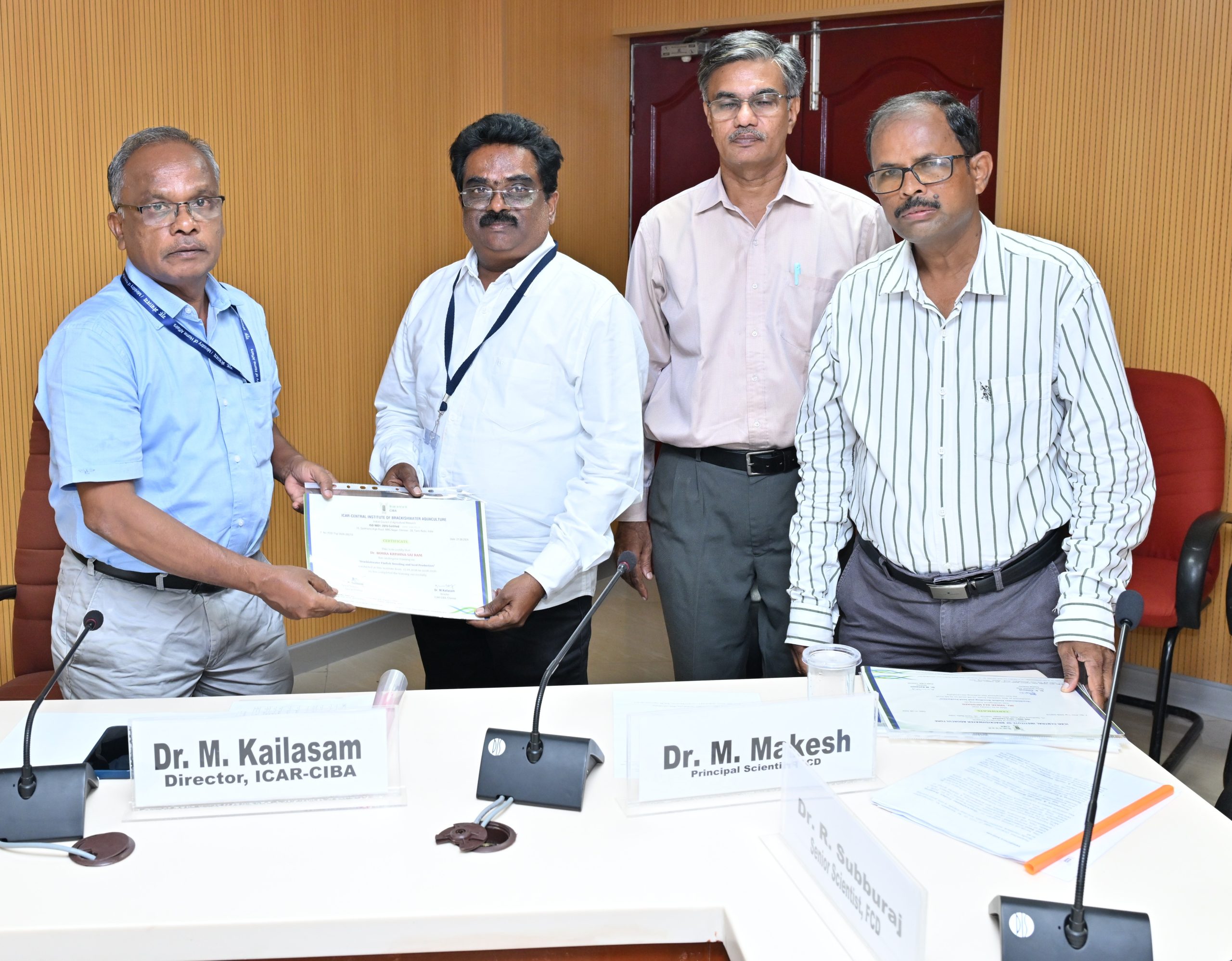
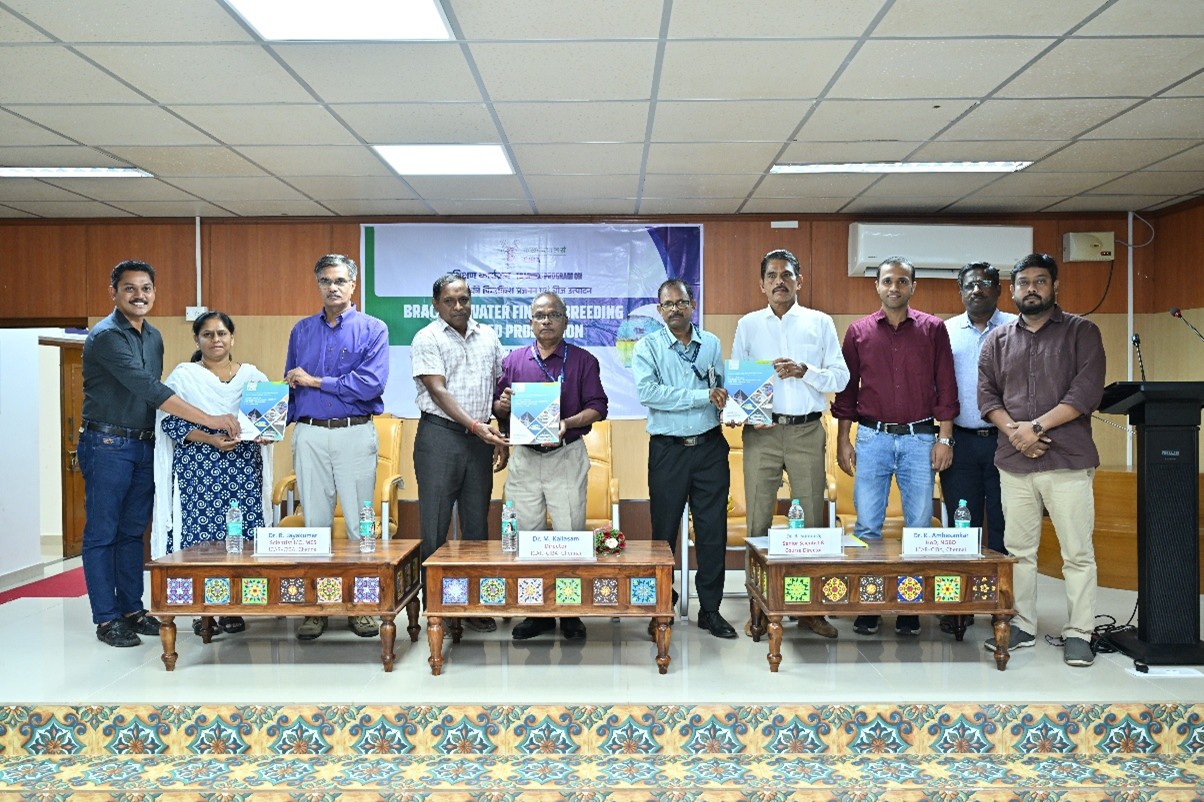
Dr. M. Kailasam, Director, ICAR-CIBA in his inaugural address, highlighted the importance of captive breeding and seed production technologies of finfishes, particularly at a time when the shrimp farming is facing several challenges. Dr. R. Subburaj, Senior Scientist and Course Director, welcomed the participants and presented the background, objectives and scope of the training programme. Dr. R. Jayakumar, Principal Scientist & Officer-in-Charge, Muttukadu Experimental Station; Dr. K. Ambasankar, Head, Nutrition, Genetics and Biotechnology; and Dr. Aritra Bera, Senior Scientist, were also present during the inaugural programme.
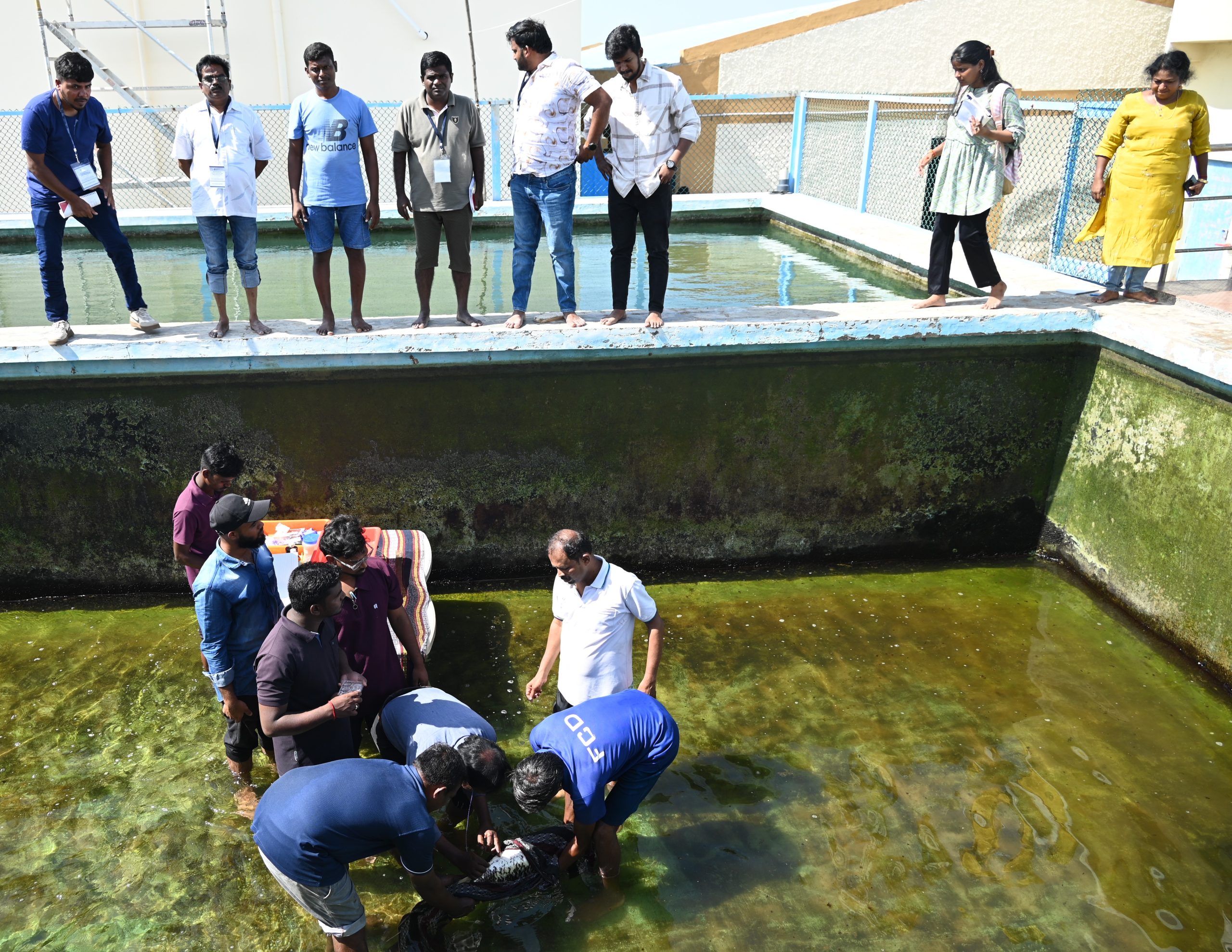
The training provided participants with a comprehensive knowledge and skill set on brackishwater finfish breeding and seed production, combining classroom sessions with intensive hands-on practical training. The programme covered the complete hatchery production cycle, from broodstock selection and management to induced breeding, spawning, larval rearing, health management and seed packing. Special emphasis was given to both food and ornamental brackishwater fishes, enabling participants to gain practical skills that can be directly applied in hatchery and farming operations. A major highlight of the programme was the extensive practical exposure provided to the trainees. The participants were trained in Asian seabass and spotted scat broodstock management and induced breeding, including brooder collection, gonadal biopsy, egg measurement, male selection, hormone preparation and administration of hormone injections. The trainees also had the opportunity to witness and participate in spawning, egg collection, egg counting and stocking, followed by microscopic observation of embryonic development.
To strengthen the link between hatchery technologies and field-level aquaculture practices, the trainees participated in filed exposure visits to Kolathur and Kottaikadu villages where CIBA is demonstrating Hapa based nursery rearing and cage farming of Asian Seabass fish. The visit provided them an opportunity to interact directly with project beneficiaries involved in Asian seabass nursery management, pre-growth rearing and open-water cage culture. The five-day programme concluded on 21 August 2026, with participants gaining both theoretical knowledge and practical skills in the complete finfish seed production chain. The programme reinforced ICAR-CIBA’s commitment to capacity building, technology dissemination and promotion of species diversification in brackishwater aquaculture, thereby contributing to the development of sustainable and resilient alternatives for the aquaculture sector.