
Unravelling the virulence landscape of Vibrio harveyi through comparative genomics: Insight into core and accessory determinants
Published:
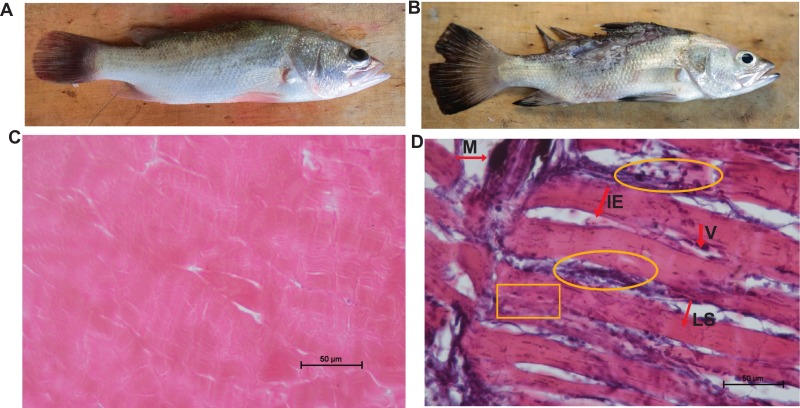
Vibrio harveyi is a major bacterial pathogen causing significant economic losses in shrimp and finfish aquaculture. To understand the genomic basis of virulence, the core (>95% strains) and accessory (<95%) virulome were analysed across 216 V. harveyi genomes, including SB1 sequenced in this study, and assessed for association with host and phylogenetic lineages. Comparative genomics identified a conserved core virulome comprising determinants for host colonization (msha, type IVa pili, tad), motility (flagella), secretion systems (T2SS, T3SS, T5SS), T3SS effectors (VopQ, HopPmaJ), toxin (tlh), and quorum sensing (LuxM, LuxS, CqsA). The core virulome spanning major virulence pathways provides a robust genomic foundation for pathogenicity in V. harveyi. Accessory virulence factors (VF) comprised vibriolysin (EmpA-like metalloprotease; 21%), horizontal gene transfer machinery, including T4SS-based conjugation system (48.6%) and filamentous prophages carrying ace and zot toxins (42.6% strains). PirB-like gene (0.5%), variable T1SS and T6SS copy number, and siderophore receptors FhuA, IrgA, FrpA, HutA represented additional accessory VF. These putative VF exhibited strain-specific variation and may contribute to differences in virulence potential among V. harveyi strains. Core genome phylogeny resolved three lineages within V. harveyi, with putative vibriolysin significantly enriched in Group 3 (Gr-3; 52.3% strains), the lineage containing SB1, compared to Gr-1 (3%) and Gr-2 (absent) (p < 1 × 10⁻⁶). Further, fish-associated strains exhibited significantly higher (p < 0.001) prevalence of plasmid-associated F-type T4SS and a greater virulence score (sum of all VF) than strains from crustacean, molluscs, and corals. Consistently, the highly pathogenic strain SB1, caused severe myonecrosis with 100% mortality in challenged Asian seabass (Lates calcarifer), harbored the core virulome together with conjugative plasmid encoding F-Type T4SS, vibriolysin, and multiple siderophore receptors that may have contributed to enhanced pathogenicity. Overall, core virulome provides a genomic foundation for virulence, whereas accessory VF, particularly T4SS, vibriolysin, prophage-associated toxins, and siderophore receptors may contribute to strain-specific differences in pathogenic potential.